· Winki Team · MeowTalkie · 2 min read
MeowTalkie Update: Real Cat Sounds, Cat Dialects & Better Interaction
Developers searched for real cat vocalizations and selected authentic “cat dialect” recordings to improve human–cat communication and daily interaction.
Why Real Cat Sounds Matter
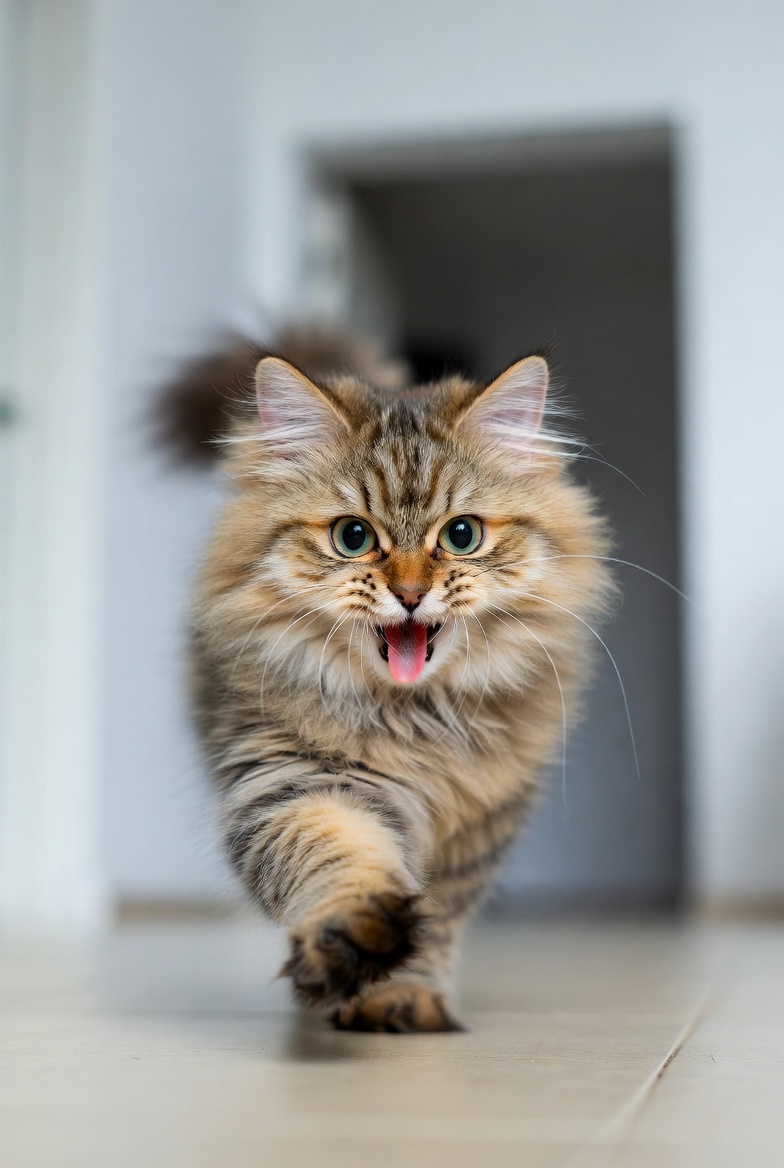
This update doubles down on authenticity. Instead of synthetic effects, we went out and collected real feline vocalizations from different personalities, ages and life backgrounds — recorded in quiet, controlled environments. We then performed spectral cleanup and noise reduction, keeping the stable, interaction‑triggering patterns that cats actually respond to.
What We Mean by “Cat Dialects”
Cats develop habitual vocal differences across contexts, histories and emotional states — that’s what we call “cat dialects.” It covers timbre and rhythm nuances, but also intent preferences. We’re not trying to make all cats “sound the same.” We selectively curate authentic recordings that reliably prompt a reaction across common home scenarios. The goal: a sound library that respects individuality while giving humans consistent tools.
How We Curate and Clean Recordings
- Prioritize stable performance in “Call,” “Play,” and “Calm” scenarios to reduce ineffective or over‑stimulating sounds.
- Offer multiple dialect styles for the same function, so you can match your cat’s preferences.
- Control volume and frequency bands to avoid harsh spikes and improve acceptance.
- Present clear categories and labels in the UI, helping humans repeat patterns and build habits.
Interaction Gains You Can Expect
- More consistent responses when calling your cat or inviting play.
- Calmer reactions when soothing nervous moments.
- Easier habit formation around mealtime, “leave it,” and daily routines.
- A friendlier sound palette that respects feline comfort.
How to Use MeowTalkie at Home
- Keep rhythm and context consistent. Use the same sound for “dinner,” “come here,” “stop,” or “play” to build association.
- Choose moderate volume and reasonable distance. Avoid frequent playback during alert or stressed states.
- Pair with body language — crouch, wave, soften movements — so communication feels complete and reassuring.
Safety and Respect
MeowTalkie is built for everyday companionship, not coercion. If your cat seems tired or uninterested, give them space. Favor positive routines over rapid repetition, and treat authentic vocalizations as gentle invitations, not demands.
What’s Next
We’ll keep expanding real feline recordings and dialect styles, so MeowTalkie feels like a warm, reliable “daily communication companion.” If you already have a steady routine, feel free to stick to the one or two sounds that work best — consistency wins over quantity.
Try It with Your Cat
Explore the full app experience on the MeowTalkie page and stores:
- Learn more: /homes/meowtalkie
- App Store: https://apps.apple.com/us/app/meowtalkie-talk-to-your-cat/id6752669946
- Google Play: https://play.google.com/store/apps/details?id=wiki.winki.meow_talkie
One‑Sentence Summary
Developers searched for real cat vocalizations and selected authentic “cat dialect” recordings to improve human–cat communication and daily interaction.